
CC Auto Spares Wellington

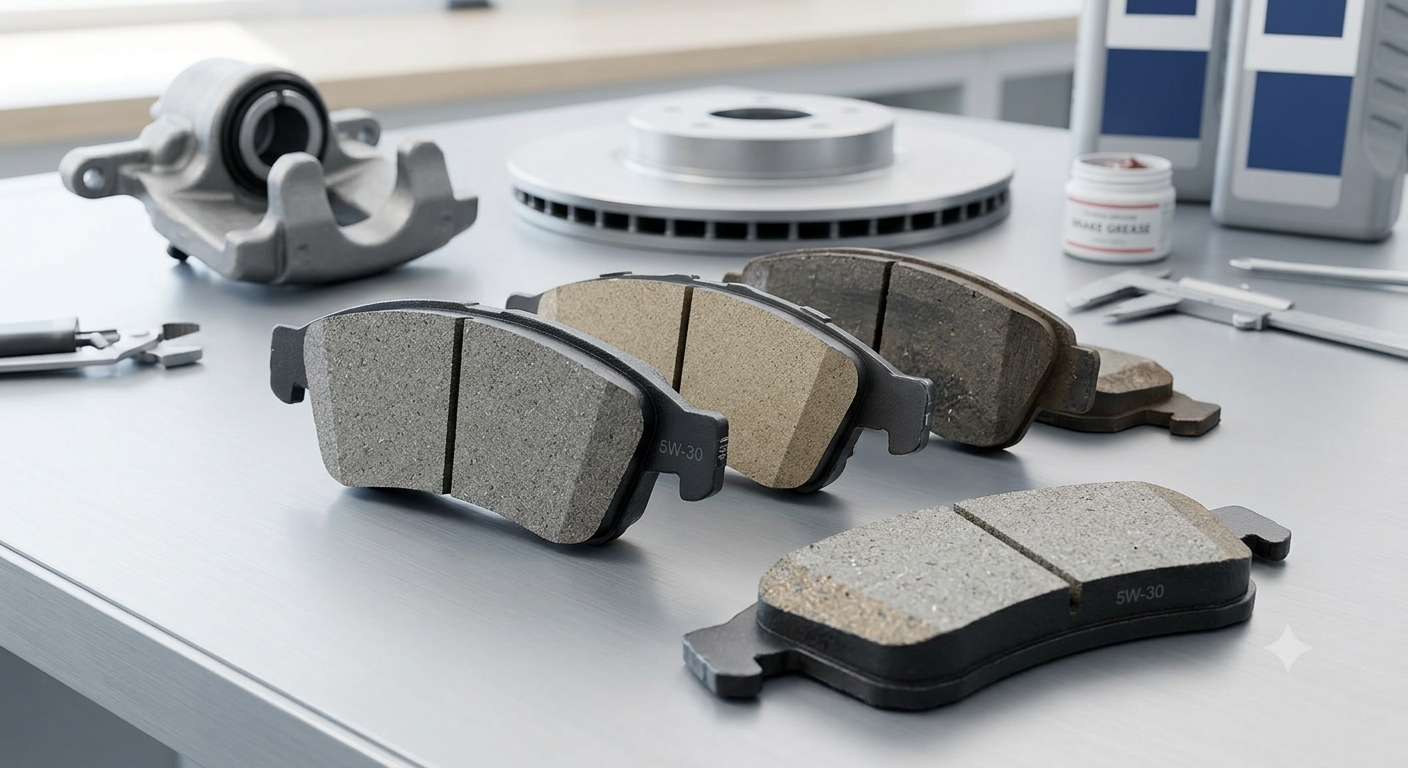
Your vehicle’s braking system is one of its most important safety features. Every time you press the brake pedal, multiple components work together to slow down and stop your vehicle safely. However, many motorists are unsure about the difference between brake pads and brake discs, despite both being essential brake parts in Wellington and across South Africa.
Understanding how these components work can help you identify potential problems early, avoid costly repairs, and maintain optimal braking performance.
Whether you drive daily in Wellington, tow heavy loads, or frequently travel long distances, knowing when to replace your brake components is crucial.
In this guide, we’ll explain the differences between brake pads and brake discs, highlight common warning signs of brake wear, and help you choose quality brake parts in Wellington for your vehicle.
How Brake Pads Work
Brake pads are one of the most frequently replaced components in a vehicle’s braking system. They are designed to create friction against the brake disc when you apply the brakes.
What Are Brake Pads?
Brake pads consist of a steel backing plate covered with friction material. When you press the brake pedal, hydraulic pressure forces the brake caliper to squeeze the pads against the rotating brake disc.
This friction converts kinetic energy into heat, slowing down and eventually stopping the vehicle.
Why Brake Pads Wear Out
Because brake pads are friction materials, they gradually wear down over time. Several factors influence how quickly they wear, including:
- Driving habits
- Vehicle weight
- Road conditions
- Towing frequency
- Brake pad quality
For example, frequent stop-start driving can significantly accelerate brake pad wear.
Types of Brake Pads
There are several types of brake pads available:
Organic Brake Pads
Organic pads are generally quieter and less expensive. However, they tend to wear faster and may not perform as well under extreme conditions.
Semi-Metallic Brake Pads
Semi-metallic pads provide excellent stopping power and durability. Consequently, they are a popular choice for many vehicles.
Ceramic Brake Pads
Ceramic brake pads offer superior performance, lower dust production, and quieter operation. Although they cost more initially, they often last longer.
Choosing the correct brake pad material is important for achieving optimal braking performance.
How Brake Discs Work
While brake pads provide the friction, brake discs provide the surface against which that friction occurs.
What Are Brake Discs?
Brake discs, sometimes called rotors, are metal discs attached directly to the vehicle’s wheel hubs. As the wheels rotate, the discs rotate with them.
When the brake pads clamp onto the discs, friction is created, causing the vehicle to slow down.
Why Brake Discs Matter
Brake discs must remain smooth, flat, and within manufacturer thickness specifications to function correctly.
Over time, brake discs can develop:
- Grooves
- Cracks
- Warping
- Excessive wear
As a result, braking performance may deteriorate significantly.
Types of Brake Discs
Modern vehicles commonly use:
Solid Brake Discs
These are typically found on smaller passenger vehicles and rear braking systems.
Vented Brake Discs
Vented discs feature internal cooling channels that dissipate heat more effectively.
Slotted and Drilled Discs
Performance vehicles often use slotted or drilled discs to improve cooling and braking efficiency.
Warning Signs of Worn Brakes
Fortunately, your vehicle usually provides warning signs before brake failure occurs. Therefore, it is important to recognise these symptoms early.
Squealing or Screeching Noises
Most brake pads include wear indicators that create a high-pitched noise when replacement is required.
If you hear squealing when braking, inspect your brake system immediately.
Grinding Sounds
Grinding noises often indicate that the brake pads have worn completely through, allowing metal-to-metal contact.
This can quickly damage your brake discs and increase repair costs.
Vibrations While Braking
If your steering wheel or brake pedal vibrates during braking, your brake discs may be warped.
Consequently, braking performance can become inconsistent.
Increased Stopping Distance
A noticeable increase in stopping distance may indicate worn brake pads, contaminated brake fluid, or damaged discs.
Brake Warning Light
Modern vehicles often feature brake wear sensors that activate dashboard warning lights when service is needed.
Never ignore these warnings.
Pulling to One Side
If your vehicle pulls left or right during braking, uneven brake wear or a sticking caliper may be the cause.
Prompt inspection is recommended.
When to Replace Both
One of the most common questions motorists ask is whether brake pads and brake discs should be replaced together.
The answer depends on the condition of the discs.
Replace Brake Pads Only When:
- Discs remain within specification
- Disc surfaces are smooth
- No cracks or warping are present
- Disc thickness meets manufacturer requirements
Replace Brake Pads and Discs Together When:
- Discs are below minimum thickness
- Deep grooves are present
- Discs are cracked
- Discs are warped
- Uneven wear exists
Although replacing both components may seem more expensive initially, it often saves money in the long run.
Additionally, installing new brake pads on worn discs can reduce braking performance and shorten the lifespan of the new pads.
Benefits of Replacing Both Together
- Improved braking efficiency
- Better safety
- Reduced noise and vibration
- Longer component lifespan
- Consistent stopping performance
For these reasons, many professional technicians recommend replacing both components simultaneously when significant wear is present.
Choosing Quality Brake Parts
Not all brake components are created equal. Therefore, investing in quality brake parts in Wellington is essential for safety and reliability.
Why Quality Matters
Premium brake components provide:
- Better stopping power
- Improved heat resistance
- Reduced brake fade
- Longer service life
- Enhanced safety
In contrast, low-quality components may wear prematurely and compromise braking performance.
What to Look For
When purchasing brake parts, consider:
- OEM compatibility
- Manufacturer reputation
- Material quality
- Warranty coverage
- Vehicle application suitability
Professional Advice Makes a Difference
Choosing the correct brake components can be challenging. Fortunately, the knowledgeable team at CC Auto Spares can help you select the right brake pads and brake discs for your specific vehicle.
Whether you drive a passenger car, SUV, bakkie, or commercial vehicle, we stock quality brake components designed to meet or exceed manufacturer specifications.
Understanding the Difference
Understanding the difference between brake pads and brake discs is essential for maintaining your vehicle’s safety and performance.
While brake pads create the friction needed to stop your vehicle, brake discs provide the surface that makes that friction possible.
Because both components work together, regular inspections and timely replacement are critical.
If you’re looking for reliable, high-quality brake parts in Wellington, CC Auto Spares has you covered.
Our extensive range of brake pads, brake discs, and braking components ensures you can find the right solution for your vehicle.
Visit our store today for expert advice, competitive pricing, and premium brake parts in Wellington that help keep you safe on the road.