
CC Auto Spares Wellington

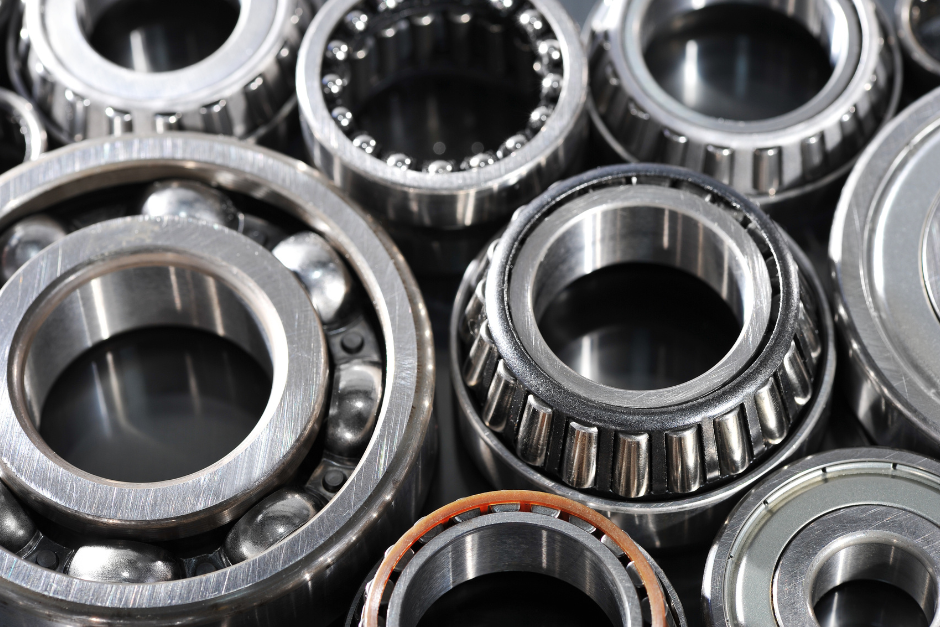
Wheel bearings are crucial components in keeping your vehicle running smoothly, ensuring that your wheels rotate with minimal friction.
Over time, however, they can wear out, leading to potential issues like uneven tire wear, strange noises, or even steering problems.
If you’re searching for guidance on “Wheel Bearings Wellington” and want to learn how to replace them, you’ve come to the right place.
In this step-by-step guide, we’ll walk you through how to replace your vehicle’s wheel bearings, ensuring you have all the knowledge you need for the job.
What Are Wheel Bearings?
Wheel bearings are sets of steel balls held together by a metal ring and housed inside the wheel hub, which helps the wheels spin freely.
Without properly functioning wheel bearings, your vehicle would experience greater friction and wear.
Worn-out wheel bearings can lead to noise, poor handling, and even dangerous driving conditions. Replacing them as soon as symptoms arise is essential.
Tools and Materials You’ll Need
Before you begin, gather the necessary tools and materials. Having everything on hand ensures that the replacement process goes smoothly. Here’s what you’ll need:
- Jack and jack stands
- Lug wrench
- Socket set
- Hammer
- Torque wrench
- Flathead screwdriver
- Wheel bearing kit (specific to your vehicle)
- Brake cleaner
- Grease or lubricating oil
Signs Your Wheel Bearings Need Replacing
Wondering if it’s time to replace your wheel bearings? Some common signs to look out for include:
- Grinding or rumbling noise: This noise is usually more noticeable when turning.
- Vibration in the steering wheel: If you notice vibrations or wobbly steering, your wheel bearings could be the cause.
- Uneven tire wear: Worn bearings may cause your tires to wear unevenly.
- Excessive play in the wheel: If your wheel wobbles when shaken, it may be due to a bad bearing.
Step-by-Step Guide to Replacing Your Wheel Bearings
Step 1: Safety First – Secure the Vehicle
Before starting, ensure your vehicle is on a flat surface. Engage the parking brake and place wheel chocks behind the wheels that won’t be lifted.
Use your jack to lift the vehicle and secure it with jack stands. Once the car is lifted, you can remove the wheel.
Step 2: Remove the Wheel
Using a lug wrench, loosen the lug nuts on the wheel. Once the nuts are removed, carefully pull the wheel off and set it aside.
Now, you’ll have access to the brake assembly.
Step 3: Remove the Brake Caliper and Rotor
To access the wheel bearings, you’ll need to remove the brake caliper and rotor. Use your socket set to remove the caliper bolts, and then gently lift the caliper off.
Don’t let it hang from the brake hose—secure it to the suspension with a piece of wire or string.
Next, remove the brake rotor. If it’s stuck, you may need to tap it gently with a hammer to loosen it. Set both the caliper and rotor aside.
Step 4: Access the Wheel Hub and Bearings
With the rotor and caliper removed, you’ll now be able to see the wheel hub. Remove the dust cap at the center of the hub with a flathead screwdriver, then loosen and remove the hub nut using a socket.
Once the hub nut is removed, pull the hub assembly off. The wheel bearings are located inside the hub.
Be cautious during this step, as the bearings may be loose or may fall out when removing the hub.
Step 5: Remove the Old Bearings
Now that the hub is off, you’ll need to remove the old wheel bearings. In some cases, they can be pulled out easily, while other times you may need to tap them out gently with a hammer.
Be sure to remove both the inner and outer bearings, as well as the bearing races if applicable.
Step 6: Clean the Hub
Before installing the new bearings, it’s important to clean the hub thoroughly. Use brake cleaner to remove any grease, dirt, or debris that may have built up inside.
A clean hub will help ensure that the new bearings are installed properly.
Step 7: Install the New Bearings
With the hub clean, it’s time to install your new wheel bearings. Begin by applying a generous amount of grease to the bearings.
If your new bearing kit includes races, install them first. Once the races are in place, insert the greased bearings into the hub.
Step 8: Reassemble the Hub
After installing the new bearings, reassemble the hub. Slide the hub back onto the spindle, making sure it’s aligned properly.
Next, reinstall the hub nut and tighten it according to your vehicle’s specifications using a torque wrench.
Step 9: Reinstall the Brake Components
With the hub and bearings in place, you can now reinstall the brake rotor and caliper. Make sure the rotor is seated correctly and secure the caliper with the bolts you removed earlier.
Ensure that all components are tightened to the correct torque settings.
Step 10: Replace the Wheel
Finally, put the wheel back on and tighten the lug nuts by hand. Lower the vehicle from the jack stands and finish tightening the lug nuts with a torque wrench.
Step 11: Test Your Vehicle
After completing the replacement, take your vehicle for a test drive. Listen for any unusual noises and ensure that the steering feels smooth.
If everything sounds and feels normal, you’ve successfully replaced your wheel bearings!
Important Tips and Precautions
- Always consult your vehicle’s manual to ensure you’re following the correct procedures and using the proper torque specifications.
- Wear safety gear, including gloves and protective eyewear, to prevent injury.
- Don’t ignore symptoms of a failing wheel bearing—replacing them promptly can prevent further damage to your vehicle.
How Long Do Wheel Bearings Last?
Wheel bearings can last anywhere from 85,000 to 100,000 kilometres, depending on driving conditions.
Regular maintenance and checks can help prolong their lifespan. Always be aware of the signs of worn bearings to avoid costly repairs down the road.
Keep Your Vehicle Rolling with Healthy Bearings
Replacing your wheel bearings Wellington might seem like a daunting task, but by following these steps, you can complete the job successfully.
Proper wheel bearing maintenance is essential to ensure your vehicle’s safety and performance.
If you’re in Wellington and need expert advice or a reliable source for “Wheel Bearings Wellington,” Visit CC Auto Spares today to explore our extensive range of vehicle parts and accessories.
Don’t compromise on quality—choose CC Auto Spares for all your vehicle parts needs.